



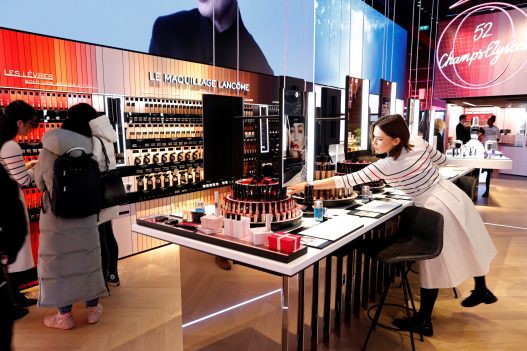
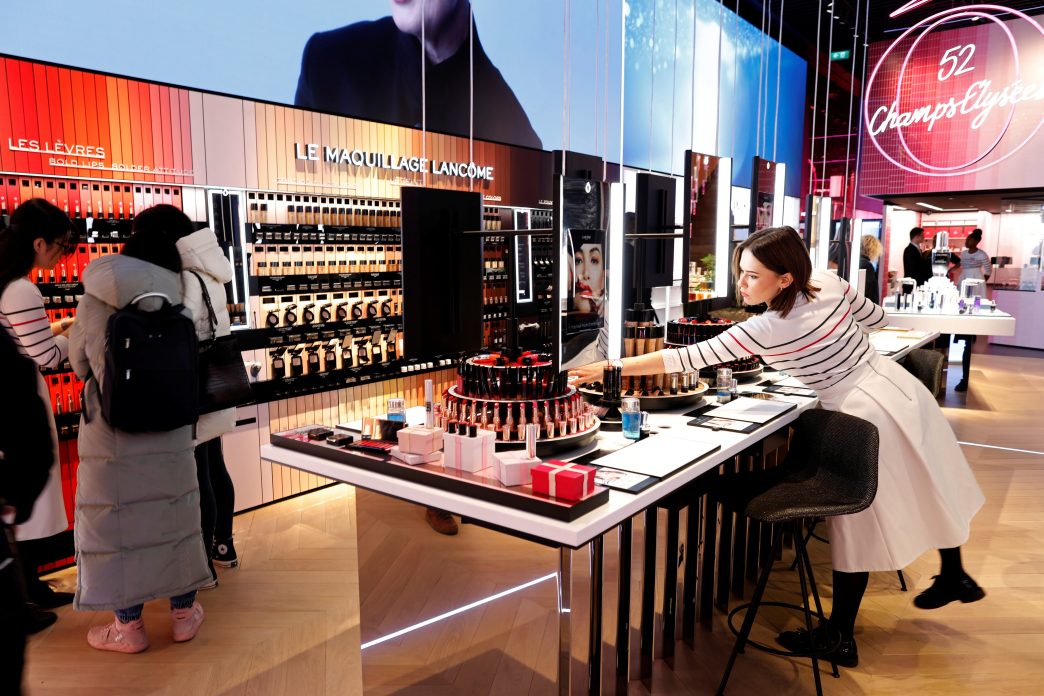
On April 22, L’Oréal reported Q1 2026 organic sales growth of 7.6% — adjusted to 6.7% to strip out IT transformation timing effects — against analyst consensus of approximately 3 to 4%, sending shares up 9% the following day in the group’s largest single-day gain since November 2008.⁹ Total sales reached €12.2 billion for the quarter, against €11.7 billion a year earlier, with growth led by Professional Products at 13.1% like-for-like and Dermatological Beauty at 10.2%.¹⁰ The results arrived one week after L’Oréal completed its €4 billion acquisition of Kering Beauté on March 31 — adding Creed, fifty-year exclusive licenses for Balenciaga and Bottega Veneta, and a pipeline right to Gucci when Coty’s existing license expires — making this not just the strongest quarter in recent memory but the first quarter of a materially different company.¹¹ The industry celebrated the results as evidence of beauty’s resilience. The more precise reading is that they are evidence of what is happening when the world’s largest beauty company gets significantly larger and executes at an unusually high level simultaneously.
The Kering Beauté acquisition is L’Oréal’s largest in its history, surpassing the $2.5 billion Aesop purchase in 2023.¹² What L’Oréal acquired is not simply a portfolio of brands. It is a fragrance architecture of rare commercial quality assembled by a fashion group that built it under duress — Kering’s beauty division was constructed by François-Henri Pinault as a strategic hedge against the fashion group’s overexposure to Gucci’s cyclical performance, and the assets within it were chosen with a precision that reflected genuine market conviction rather than opportunistic deal-making. Creed is arguably the single most credibly established niche fragrance house in the world in terms of its combination of heritage, product quality, and global distribution. The Balenciaga and Bottega Veneta beauty licenses represent some of the most coveted brand equity in contemporary fashion, attached to houses at the peak of their cultural relevance. The Gucci license, when it transfers from Coty, adds one of the world’s most globally recognizable luxury fashion brands to an already formidable fragrance portfolio.
L’Oréal CEO Nicolas Hieronimus described the priority order with characteristic precision on the Q1 earnings call: “The first focus will be on Creed, which is already a sizable business, and looking at the other two fragrance brands, Bottega Veneta and Balenciaga.”¹³ The sequencing is revealing. Creed is a revenue-generating business that requires operational integration and geographic expansion under L’Oréal’s infrastructure. Balenciaga and Bottega Veneta require creative and commercial development from a relatively early stage. Gucci is a future event. Hieronimus is managing a multi-year integration horizon rather than a single quarter’s contribution, and the Q1 earnings call was his first opportunity to publicly frame that timeline for investors.
The fragrance market context makes this moment more significant than the acquisition economics alone suggest. L’Oréal’s Luxe division, which now contains Creed alongside Lancôme, Yves Saint Laurent Beauté, Giorgio Armani, Kiehl’s, and others, delivered 5.6% like-for-like growth in Q1, with fragrances explicitly cited as the primary driver — specifically the “outstanding performance of fragrances” and the “promising start of the new Armani Power of You.”¹⁴ The group is gaining fragrance market share at exactly the moment it has added the most strategically valuable fragrance asset available in the market. The compounding effect of operational scale, distribution infrastructure, and category momentum is difficult to overstate. L’Oréal can now place Creed in travel retail alongside YSL and Armani, introduce it to prestige skincare consumers through Lancôme adjacency, and market it with the media investment capability that an independent Creed could not access. These are structural advantages that accrue from the day the deal closes, not from a multi-year integration program.
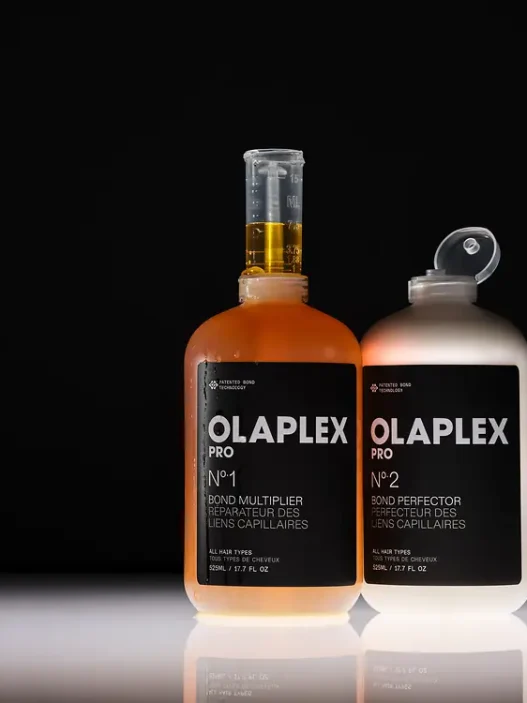
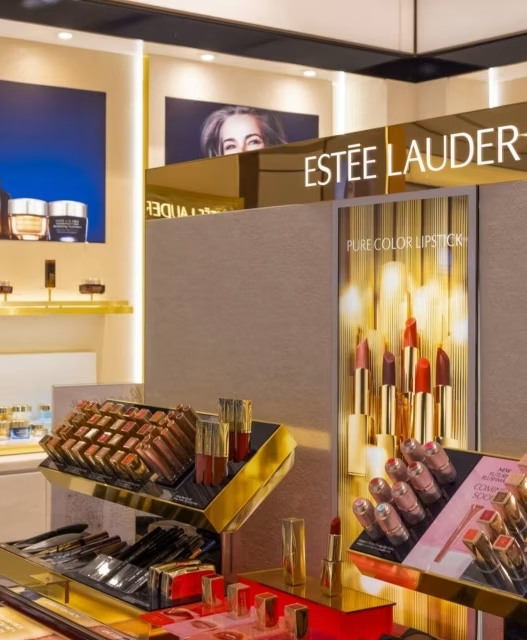
The broader industry implication — the one that Hieronimus declined to engage with when asked directly about the ELC-Puig merger discussions — is that L’Oréal’s consolidation of Kering Beauté has already set the competitive terms that every subsequent deal in the market will be measured against. The question Hieronimus was asked, whether the Kering acquisition might trigger a chain reaction of consolidation, is the right question, and his non-answer was diplomatically appropriate but substantively misleading. The chain reaction is already underway. The ELC-Puig discussions, Estée Lauder’s full acquisition of Forest Essentials, Henkel’s Olaplex purchase, LVMH’s portfolio rationalization — these are all moves being made in a market where L’Oréal has just demonstrated, through both its acquisition and its quarterly results, that scale applied with discipline produces compounding competitive advantages that smaller or less focused operators cannot match through product quality or brand equity alone.
The non-obvious concern embedded in this story is not that L’Oréal is too dominant — it has been the world’s largest beauty company for decades, and the industry has continued to innovate productively alongside it. The concern is more specific: the Kering Beauté acquisition transfers two of the most culturally resonant fragrance licenses in contemporary fashion — Balenciaga and Bottega Veneta — from a fashion group that nurtured them with designer-led creative autonomy into a beauty conglomerate whose operational model, however sophisticated, is structured around efficiency and global scalability. Both houses are at the peak of their cultural relevance in fashion. Whether that relevance translates cleanly into beauty when the operational infrastructure behind the license is L’Oréal’s rather than a small, designer-proximate team is a genuine creative risk that the transaction’s financial logic does not eliminate. Stephan Bezy, now leading the former Kering Beauté brands as brand president of new luxury brands within L’Oréal Luxe, has acknowledged the heritage sensitivity explicitly. Whether that acknowledgment shapes operational decisions over the coming years — or is gradually overwritten by the performance expectations of the world’s most commercially successful beauty organization — is the question that will define whether this acquisition becomes a case study in luxury brand stewardship or in the limits of conglomerate integration.
Sources
- Glossy / CEW Headlines, June 2026
- Glossy, May 2026
- Glossy / Front Row data, June 2026
- NielsenIQ / Glossy, June 2026
- Tinuiti, April 2026
- Glossy, June 2026
- Glossy E-Commerce Summit, June 2026
- Glossy / Front Row, June 2026
- CNBC / WWD, April 22–23, 2026
- L’Oréal Q1 2026 press release / InsiderFinance, April 22, 2026
- L’Oréal Finance / Hypebeast, March 31–April 2, 2026
- CNBC, October 2025
- WWD, April 22, 2026
- L’Oréal Q1 2026 press release, April 22, 2026