
On March 23, 2026, Estée Lauder Companies and Puig confirmed publicly what the Financial Times had first reported — that the two companies were in active discussions about a business combination that would have created the largest prestige beauty conglomerate in the world, valued at approximately $40 billion, with roughly $20 billion in combined annual revenue. On May 21, exactly fifty-nine days later, both companies issued a joint statement saying discussions had been terminated. No agreement. No explanation. Just a formal expression of gratitude and a pivot back to standalone strategies, each delivered with the particular cadence of a press release written to close a chapter rather than open one. Estée Lauder’s stock jumped as much as 16% when the news broke. Puig’s fell 15% in Madrid, its worst single-day decline since its 2024 IPO.¹ The market’s verdict was instant and asymmetric: one company had escaped something; the other had lost something. The industry’s job now is to understand precisely what, and why.
What Happened: The Known Record
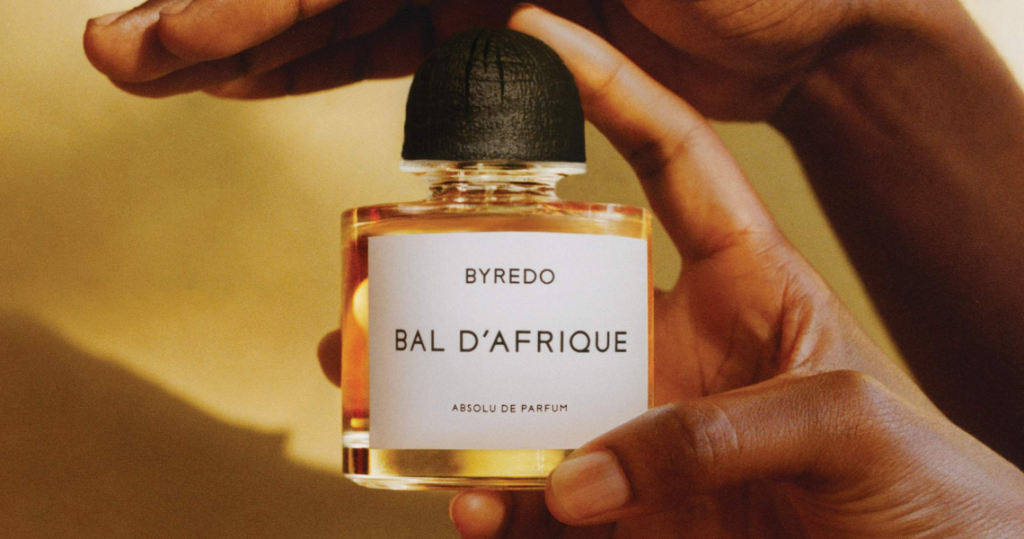
The talks were structurally ambitious from the start. The proposed combination was to be executed primarily as a stock swap between the two controlling families — the Lauders on one side, the Puig family on the other — with a mixed cash-and-share public offer for Puig’s remaining listed shares. The co-governance model envisioned Marc Puig and William P. Lauder as co-chairs of the combined entity, an arrangement that reflected both families’ core demand: operational control preserved alongside financial combination.² The strategic logic was clean on paper. Puig’s fragrance portfolio — Byredo, Rabanne, Jean Paul Gaultier, Carolina Herrera, Charlotte Tilbury — filled the most conspicuous gap in Estée Lauder’s lineup. Lauder’s China infrastructure, skin care heritage, and Sephora and department store distribution offered Puig geographic and channel reach it had not yet built independently. Analysts at Jefferies projected a combined entity evenly distributed across skin care, fragrance, and makeup — a structural diversification that neither company could achieve alone.³
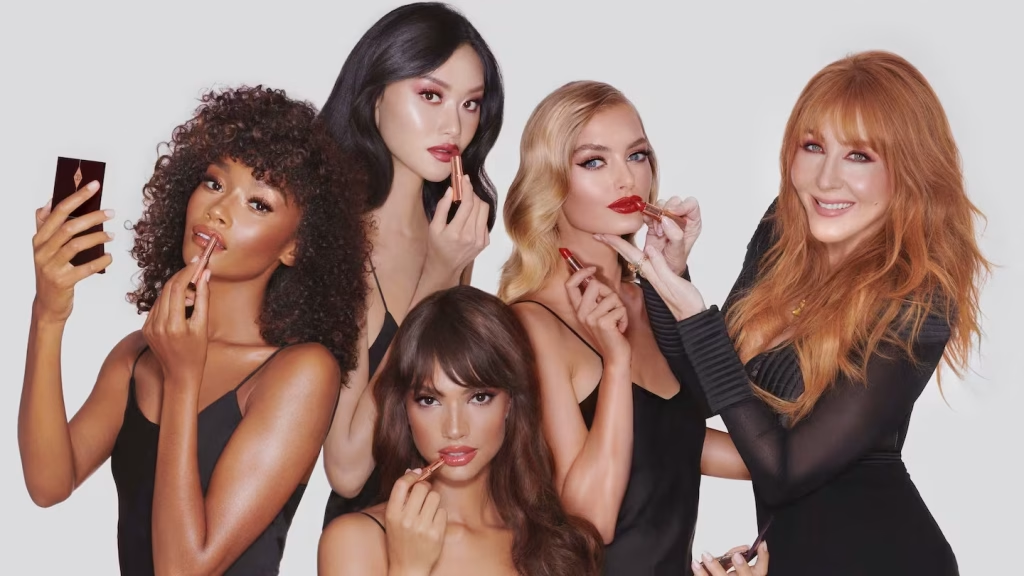
What dismantled that logic was a combination of factors that the public framing around Charlotte Tilbury has partly obscured. The Tilbury issue was real, specific, and financially consequential. When Puig acquired a majority stake in Charlotte Tilbury Beauty in 2020 for a reported $1.2 billion, the agreement included a change-of-control clause giving Tilbury the right to trigger the sale of her remaining 21.5% minority stake if Puig underwent a merger or ownership change. Puig is contractually obligated to acquire that stake in tranches between 2026 and 2031 regardless; the change-of-control clause accelerated the timeline and, critically, affected the pricing terms under which that buyout would occur. Analysts at Jefferies estimated the Tilbury-related liability at approximately €900 million.⁴ Estée Lauder deemed that figure financially untenable within the existing deal structure. A BeautyMatter source with direct knowledge of the negotiations was unambiguous: “She 100% was a deciding factor in why this deal fell apart. I think there’s a narrative that Charlotte Tilbury was a convenient excuse for Estée Lauder to walk away; that is inaccurate.”⁵
But that same source’s clarification — that the Tilbury clause was the deciding factor but not the only one — points to a richer set of conditions that made this deal structurally fragile long before the Tilbury number became insurmountable. Speaking at a Deutsche Bank consumer conference in Paris on June 2, CEO Stéphane de La Faverie offered the most direct public accounting of what happened: “If we cannot reach the growth and the profitability at the right price point, then that is not an option. And this is why, obviously, this deal didn’t go through, because it was not at the right price.”⁶ That framing — price, not culture or governance or Tilbury — is the most precise explanation Lauder has offered, and it recontextualizes the entire negotiation. The Tilbury clause was not a surprise. Both parties knew about it before the talks were confirmed publicly. What changed, as negotiations progressed, was each side’s assessment of the total economic cost of the combination against the total strategic benefit — and those assessments diverged.
Puig Chairman Marc Puig’s statement was notably more self-possessed than Lauder’s: “We have made it clear that we are not for sale. Any potential combination would have required alignment on three key areas — governance, business leadership, and economic terms that appropriately value the company and are fair to all stakeholders. Ultimately, we were unable to reach an overall solution that satisfied both parties.”⁷ Read carefully, that statement is not a description of a deal that almost happened and tragically fell apart. It is a description of a company that entered discussions from a position of strategic confidence, identified the terms it required, and concluded those terms were not available. The language of a seller who did not get their price is different from the language of a buyer who walked away. Puig’s statement reads more like the former.
Reports from Reuters citing five people with direct knowledge of the deal added further texture: leaks during the negotiation process created significant difficulties, complicating the atmosphere between the two teams and raising concerns on both sides about the manageability of information within a combined entity.⁸ The governance dynamic between two family-controlled conglomerates with very different organizational cultures — one a publicly listed American institution with institutional shareholder scrutiny, the other a privately controlled Spanish family business recently IPO’d — introduced interpersonal complexity that formal term sheets cannot resolve. One source described the combination as one where “the complicated interpersonal dynamics between two family-controlled conglomerates” had never been fully worked through.⁹
What Both Companies Are Doing Now
Estée Lauder’s path forward is the more immediately legible of the two, primarily because the company’s public communications have been unusually explicit about the direction. The “Beauty Reimagined” strategy, now the company’s organizing framework, targets sustained organic sales growth, double-digit adjusted operating margin, and $1.2 billion in annualized cost savings from the 9,000 to 10,000 job reductions announced in May.¹⁰ On acquisition strategy, de La Faverie has signaled continued openness to deals — but on terms that the Puig transaction could not meet. Recent moves are instructive: full acquisition of India’s Forest Essentials, a minority investment in 111SKIN, and a position in niche fragrance brand Xinu represent the scale and category profile of what Lauder’s post-Puig M&A appetite actually looks like.¹¹ Morningstar analyst Erin Lash characterized the direction as “smaller, niche operators” that strengthen category or geographic position without introducing the integration complexity of a $40 billion combination.¹²
The more pointed question is what Lauder does about its internal portfolio. Reports this week in WWD indicate that the company is reviewing strategic options for several brands including Too Faced, Smashbox, and Dr. Jart+.¹³ One banking source told WWD plainly: “I don’t see them buying anything in the billion-plus zip code” — meaning the deal-making energy at Lauder right now is more likely to be directed at shedding underperforming assets than acquiring new scale.¹⁴ That is a significant statement about where the company’s operational confidence actually sits. The margin expansion story — 15% operating margin in Q3 2026, up from 11.4% a year prior — is real and meaningful. But skin care, which still accounts for approximately half of Lauder’s business, was flat in the most recent quarter. Fragrance grew 10%.¹⁵ The category that the Puig merger was designed to address is the only one performing, and it is doing so without the portfolio additions the deal would have provided.

The speculation that will not go away, and that one industry banking source referenced explicitly to WWD, is Unilever. Persistent market commentary positions Estée Lauder as a potential acquisition target for a large consumer goods operator seeking prestige beauty exposure at a time when the company’s market capitalization — approximately $30.6 billion, down dramatically from its peak — makes it more accessible than at any point in recent memory.¹⁶ The Lauder family’s voting control makes a hostile approach structurally impossible, but a negotiated combination is a different conversation. Whether that conversation is being had, and by whom, is unknown. What is clear is that the failed Puig deal has left Estée Lauder in a position where the question of its ultimate strategic trajectory — standalone compounder, acquirer of niche assets, or acquisition target — is more open than it has been in decades.
Puig’s situation is, paradoxically, cleaner. The company exits the discussions having demonstrated that it is not available at any price — a message that is commercially valuable in itself, particularly for a company that completed an IPO only in 2024 and has spent the subsequent eighteen months managing market expectations about its growth trajectory. New CEO Jose Manuel Albesa, who held his first earnings call in late April, reported Q1 2026 organic growth of 4.7% against consensus of 3.6%, with Charlotte Tilbury’s makeup division as a standout contributor.¹⁷ The normalization of the prestige fragrance market, which Albesa described as settling at approximately 3.5% growth, is a real operational challenge — but it is a challenge Puig is navigating from a position of relative portfolio strength, not distress. The Charlotte Tilbury tranche buyouts, now proceeding on schedule toward full ownership by 2031, are an absorbing capital obligation but a known one.
The Deeper Industry Implication
The Estée Lauder–Puig collapse will be analyzed for years as a case study in what happens when the strategic case for a deal is genuinely compelling but the structural reality around it is not. The companies confirmed talks publicly before the terms were settled — a sequencing that created enormous external pressure to close a deal that neither party had yet agreed on internally. The leaks that reportedly complicated the negotiating environment were, in part, a consequence of that premature public confirmation. Once the market and the press had spent two months treating the combination as effectively inevitable, the cost of walking away was higher for both parties than it would have been had the talks remained confidential until a definitive agreement existed. This is not a novel problem in M&A, but it is one that operates with particular force in the beauty industry, where brand perception is commercially material and where the leak of a major deal affects not just the negotiating parties but the brands within their portfolios.
The Charlotte Tilbury clause deserves its own moment of industry-wide reflection, because it is not an unusual construct. Founder change-of-control provisions — clauses that give a selling founder the right to accelerate buyout terms, renegotiate compensation, or exit at a premium in the event of a parent-level ownership change — are standard in founder-led beauty M&A agreements. They exist precisely to protect founders who sold on the basis of a specific acquirer relationship from finding themselves inside a different organization without their consent. Tilbury negotiated exactly this protection in 2020, and it worked as designed. The lesson the industry should take is not that these clauses are adversarial instruments but that they create precisely the kind of structural constraint that due diligence teams in future deals of this complexity need to model as a primary scenario, not a footnote. A €900 million contingent liability attached to one asset in a multi-brand portfolio is not a surprise you discover midway through negotiations. It is a first-week diligence item.¹⁸
The broader pattern the industry is beginning to register is that family-controlled conglomerates on both sides of a deal introduce a specific kind of governance complexity that financial models do not adequately capture. The L’Oréal–Kering transaction worked, in part, because the deal was structured as an asset sale rather than a corporate combination: L’Oréal bought the brands; Kering retained its identity. The governance question — who runs the combined entity, which family has operational authority, how decisions get made when interests diverge — never needed to be answered because there was no combined entity. The Estée Lauder–Puig structure required precisely the opposite: two families, two CEOs, two distinct organizational cultures, and two sets of institutional loyalties all resolving into a single governance model. That resolution is genuinely difficult even when both parties want it, and the evidence suggests at least one party wanted it less than the market assumed.
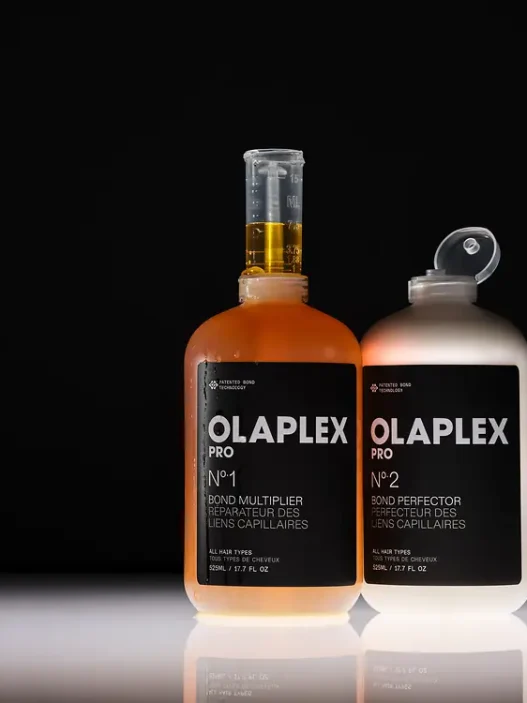
What other players are learning from this, and whether they are learning fast enough, is the most consequential open question. The LVMH divestiture process — Fenty Beauty, Make Up For Ever, Fresh, Marc Jacobs — is moving forward with a quieter, more controlled information environment than the Lauder–Puig talks maintained. The Henkel–Olaplex deal was announced as a definitive agreement, not as exploratory discussions. These are not coincidences. They reflect a post-Lauder–Puig industry in which the cost of confirming a deal before its terms are settled has been made visible at the largest scale. The next major beauty combination — and there will be one, because the strategic imperatives driving consolidation have not changed — will almost certainly be structured to avoid the specific failure mode the industry just watched play out over fifty-nine very public days.
Sources
- Bloomberg / Business of Fashion, May 21, 2026
- FashionNetwork / Retail Boss, May 2026
- Retail Boss / Jefferies analysis, May 2026
- BM Magazine / Jefferies estimate, May 2026
- BeautyMatter, June 2026
- Global Banking and Finance / Investing.com, June 2, 2026
- TheIndustry.beauty, June 2026
- Reuters / Global Banking and Finance, June 2026
- Puck, May 2026
- Retail Gazette / Storyboard18, May 2026
- Storyboard18, June 2026
- Retail Gazette, May 2026
- WWD, June 2026
- WWD, June 2026
- WWD / Yahoo Finance, May 2026
- WWD, June 2026
- WWD, April 28, 2026
- PYMNTS / Global Cosmetics News, May 2026