
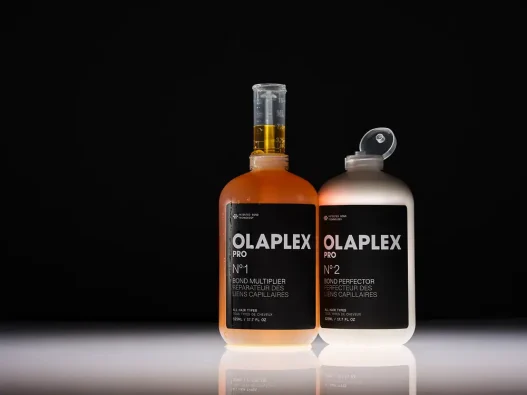
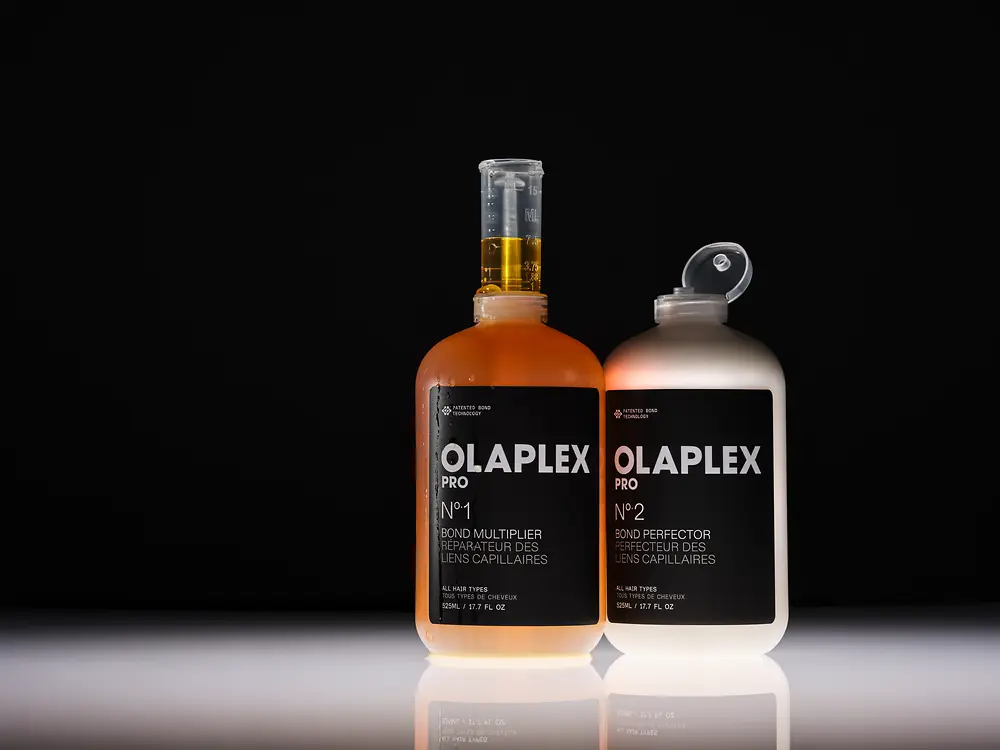
On March 26, Henkel entered into a definitive agreement to acquire Olaplex Holdings for approximately $1.4 billion — a 55% premium over the stock’s closing price the day prior, for a company whose shares had already lost nearly 95% of their value since its 2021 IPO. For Henkel, the deal is a calculated push into prestige haircare, pairing its global distribution infrastructure with Olaplex’s bond-building intellectual property and its deeply entrenched professional channel relationships. For Olaplex, it is the end of a turbulent and instructive four-year experiment as a public company. What the deal actually signals, for both parties and for the broader industry, is considerably more complex than either the price or the press release suggests.
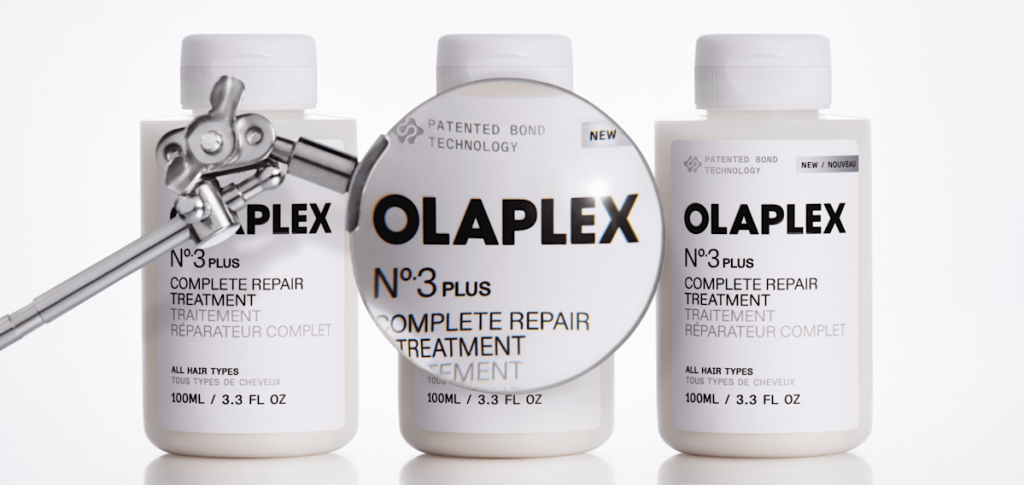
story of Olaplex’s acquisition is, at its core, a story about what happens when a single genuinely transformative innovation becomes a public company before it has built the institutional depth to survive the scrutiny that follows. When Olaplex went public in September 2021, the cultural conditions were nearly perfect: salon professionals were evangelical about the product, consumers were paying luxury prices for what was, in effect, a chemistry-based tool, and the bond-building category Olaplex had created had no serious incumbent competition. The IPO opened at $25 per share and the company was valued at nearly $16 billion. Three years later, its stock was trading at $1.33 the day before Henkel’s acquisition announcement. That collapse did not happen because the underlying technology stopped working. It happened because Olaplex made a series of decisions that systematically dismantled the professional mystique that was its actual competitive moat.
The lawsuit alleging hair loss and scalp damage was damaging not primarily for its legal implications but for what it did to the brand’s credibility narrative. Olaplex had built its identity around science, safety, and professional endorsement. A lawsuit — regardless of its ultimate legal merit — introduced doubt into precisely the spaces where the brand needed to be unimpeachable. Simultaneously, the broader bond-building category that Olaplex had pioneered became crowded almost immediately. Redken launched its Acidic Bonding Concentrate. K18 arrived with a different mechanism and a cleaner, more modern brand story. The Inkey List, Briogeo, and a dozen other brands launched bond-adjacent products at mass price points. Olaplex had created a category and then failed to defend it aggressively enough to remain its defining voice.
What Henkel is buying at $1.4 billion, then, is not the company Olaplex was in 2021. It is the company Olaplex could be with patient capital, operational discipline, and a parent organization that does not need it to perform for quarterly earnings. Henkel’s existing haircare portfolio — Schwarzkopf, Kenra, Syoss — has genuine professional channel infrastructure and global distribution reach, but it operates largely below the premium tier. Olaplex, even in its current diminished state, occupies a cultural and scientific register that none of those brands can access. The bond-building patent remains defensible. The professional loyalty, while tested, has not fully collapsed. The brand’s origin story, rooted in academic polymer chemistry developed in collaboration with a UC Santa Barbara researcher, is the kind of founding narrative that is nearly impossible to manufacture and entirely possible to rehabilitate.
The broader industry signal here is one that sophisticated M&A watchers have been tracking for several months. The acquirers gaining ground in 2026 are not chasing high-growth, high-multiple brands the way investors did in 2020 and 2021. They are buying distressed or underperforming assets with proven demand fundamentals at prices that reflect operational failure rather than category irrelevance. Olaplex fits that thesis precisely. The risk Henkel now owns is not whether the brand has an audience. The risk is execution: specifically, whether the new parent organization will have the discipline to restore professional channel trust before attempting to expand aggressively into retail, and whether it will treat Olaplex’s science infrastructure as a platform for adjacent innovation rather than simply a heritage asset to be monetized. Those are the decisions, made quietly over the next 12 to 18 months, that will determine whether this acquisition reads as a masterclass in counter-cyclical buying or as the final chapter of a brand that peaked too early and was never quite rescued.




Your post is a true masterpiece. I\’ll be referencing it in my own work.
I\’m honored to hear that. I\’m always striving to provide the best information possible.
This post is a game-changer. I\’ve learned so much from it – thank you!
Your post is a true masterpiece. I\’ll be referencing it in my own work.
I\’m so glad I found your site. Your posts are consistently excellent.