



Asia-Pacific travel-retail beauty sales fell 11.1% in the first quarter of 2026, declining from approximately $5.1 billion to $4.5 billion, but Mainland China accounted for 93% of the regional contraction. Remove Mainland China and the market grew almost 8%, driven by skincare and fragrance. Skincare sales rose 12% and fragrance increased 9.8%, while Shiseido reported high-double-digit growth among travelers from Taiwan, Hong Kong, Southeast Asia and Western markets. Hainan has returned to growth as stricter customs enforcement reduces gray-market activity, while India, Vietnam, Thailand, Singapore and Malaysia are becoming more important sources of premium-beauty demand. [1]
Beauty’s largest multinationals have spent years describing Asia-Pacific weakness as though it were one regional condition. The latest travel-retail data shows that diagnosis is now materially wrong.
The regional decline is overwhelmingly a Mainland China problem. Outside that market, beauty spending is recovering through a more diverse mix of nationalities, destinations and categories. That means companies organized around the assumption that Chinese travelers determine Asia’s performance risk underinvesting in the customers already replacing part of that demand.
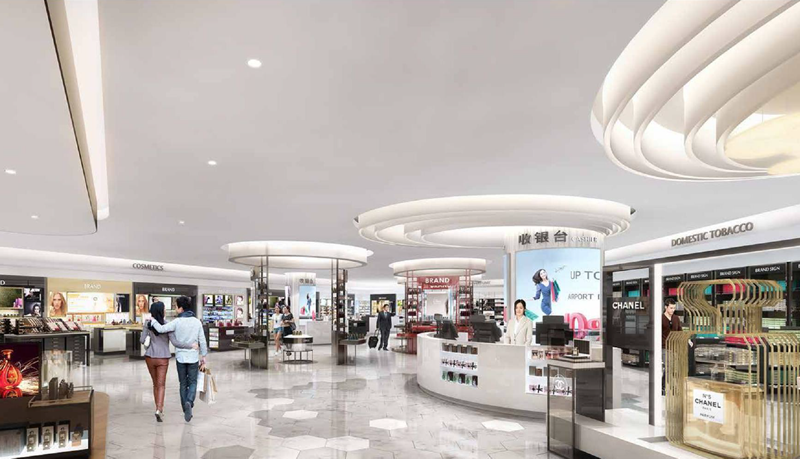
The old travel-retail model concentrated power in Chinese consumption. Mainland travelers and daigou resellers generated extraordinary volumes across Hainan, South Korea, Japan and major airports. Brands built counters, inventory and promotional calendars around that customer, while corporate results became unusually sensitive to Chinese mobility and policy.
That concentration created enormous revenue and fragile economics. Hainan’s pandemic-era demand became so inflated that one beauty counter could reportedly generate approximately $100 million annually. When sales later fell toward $60 million, the market was described as distressed even though the counter still produced revenue comparable with an entire smaller country. [1]
The current recovery is healthier partly because it relies less on gray-market resale. Stronger customs enforcement and Hainan’s Free Trade Port development have shifted activity toward genuine end customers. That may reduce the spectacular volumes brands enjoyed during the daigou era, but it improves pricing integrity, customer data and the quality of demand.
Mainland China remains difficult for reasons broader than travel. Airport concession changes have disrupted trading, domestic brands are improving rapidly and Chinese consumers are reallocating spending toward watches, jewelry, fashion and technology. Perfumes and cosmetics have lost approximately 15 percentage points of category share within China Duty Free Group over six years. [1]
That does not mean consumers have stopped spending. It means beauty no longer receives the automatic priority it once did. International brands have to compete through product relevance, retail experience and cultural fluency rather than relying on duty-free pricing and foreign prestige.
Outside Mainland China, the customer mix is broadening. L’Oréal identifies Vietnam and India as meaningful growth contributors. Shiseido cites momentum in Thailand and among Southeast Asian, Taiwanese, Hong Kong and Western travelers. L’Occitane is increasing its focus on affluent outbound Indian customers traveling through Singapore, Vietnam and Malaysia. [1]
This is not merely geographic diversification. Each customer group changes product and merchandising requirements.
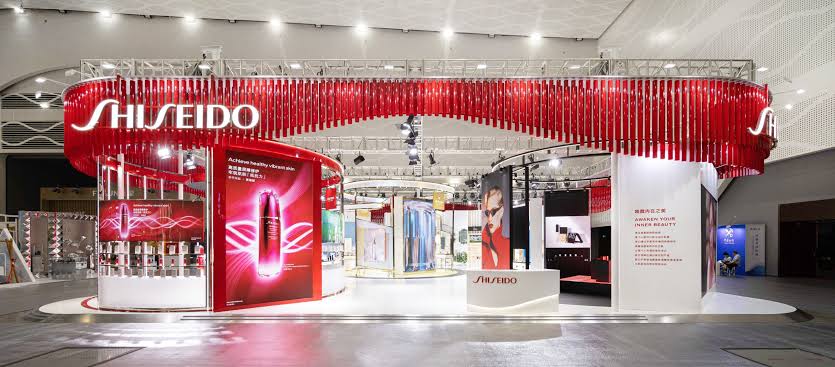
Shiseido is discussing a greater number of darker complexion shades because Southeast Asian shoppers are becoming more important. That is a direct example of demand geography altering assortment. A counter designed principally around Northeast Asian skin tones and preferences cannot serve the next phase of regional growth without modification.
Indian travelers bring another set of implications. The country’s domestic beauty market is expanding rapidly, but affluent outbound travelers may first encounter global luxury brands through airports and destination retail. These shoppers can support fragrance, skincare and gifting, yet brands need cultural understanding and shade relevance rather than simply translating campaigns developed for China.
Fragrance is becoming a particularly useful recruitment category. Regional travel-retail fragrance sales rose 9.8% in the first quarter, with strength in unisex, men’s fragrance and eau de parfum. Consumers are trading into higher concentrations and niche propositions, while digitally educated Chinese shoppers often skip the traditional progression from mass to designer to niche scent. [1]
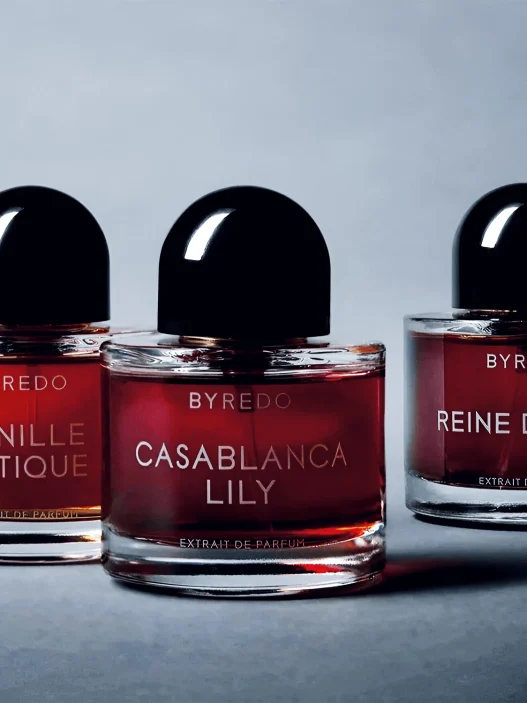
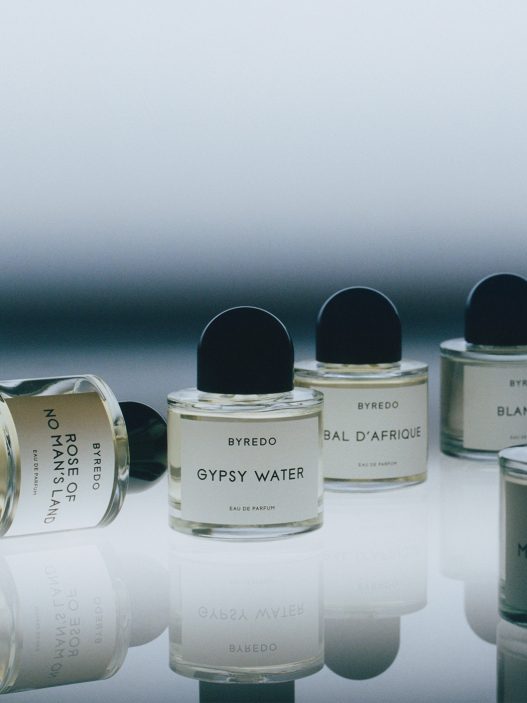
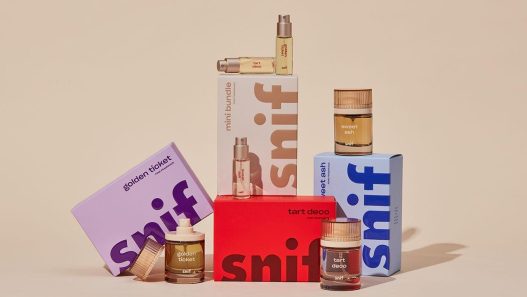
This gives fragrance houses an advantage over makeup and skincare brands burdened by shade, regimen and claims complexity. A scent can travel across customer groups more easily, especially when the retail environment provides discovery and gifting. Creed, Byredo, Le Labo, Maison Francis Kurkdjian, Jo Malone London, Diptyque and emerging niche brands are positioned to benefit.

Skincare remains the largest growth engine, rising 12%, but its competitive structure is changing. Korean, Japanese and Chinese brands can now compete directly with Western luxury groups on innovation, texture, delivery systems and local relevance. The multinational advantage in prestige recognition remains valuable, though it no longer guarantees authority.
The non-obvious reading is that Asia-Pacific recovery may improve revenue while reducing operating leverage. Serving one dominant Chinese customer allowed companies to concentrate inventory, media and staffing. A diverse market spread across India, Vietnam, Thailand, Singapore, Malaysia, Taiwan and Western travelers requires more localized assortments and communications.
Geographic diversification reduces systemic risk but raises complexity. The company is less exposed to one market downturn, yet it must fund more product variations, creator relationships, language capabilities and regional teams. Growth may be more resilient and more expensive to operate.
L’Oréal has structural advantages because its portfolio covers mass, dermatological, luxury and professional categories, allowing it to respond to different income levels and beauty behaviors. Shiseido benefits from regional heritage and strong Asian brand recognition, but its exposure to Japan and China remains significant. L’Occitane has fragrance, gifting and botanical skincare that can travel across multiple markets without extensive shade complexity.
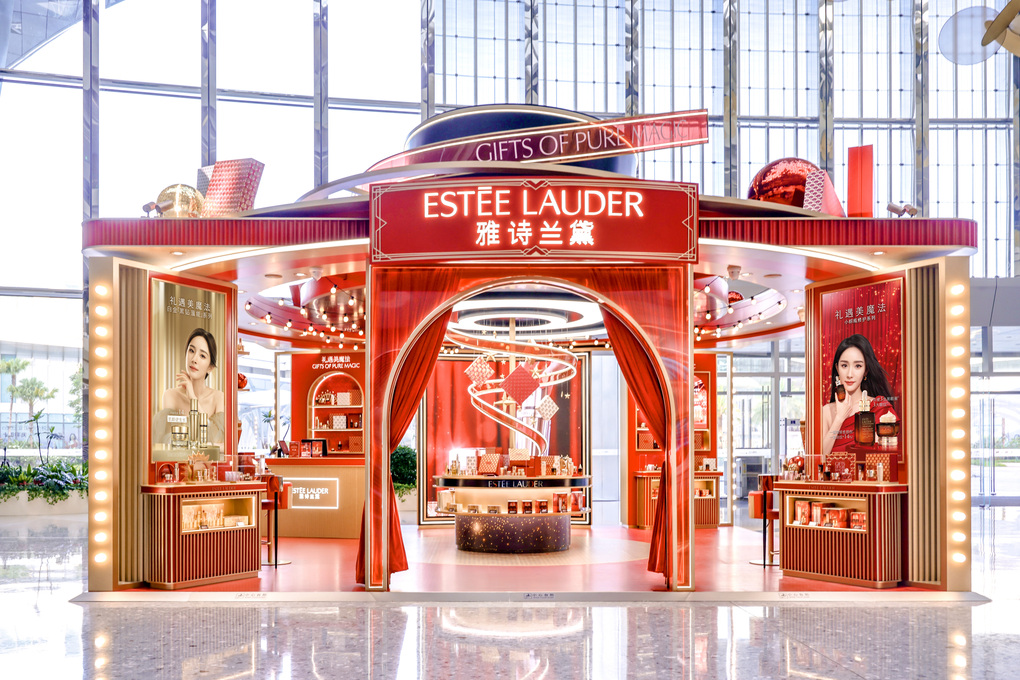
Estée Lauder remains more exposed to the old model. Its historical strength in prestige skincare and travel retail made Chinese demand exceptionally important. A recovery led by Southeast Asian and Indian customers may require broader price architecture, more fragrance and makeup relevance, and faster local execution.
Retailers and airport operators also need to change. A Chinese-language counter and one global assortment are no longer enough. Staffing, payment methods, shade availability, gifting rituals and digital follow-up must reflect a wider group of travelers.
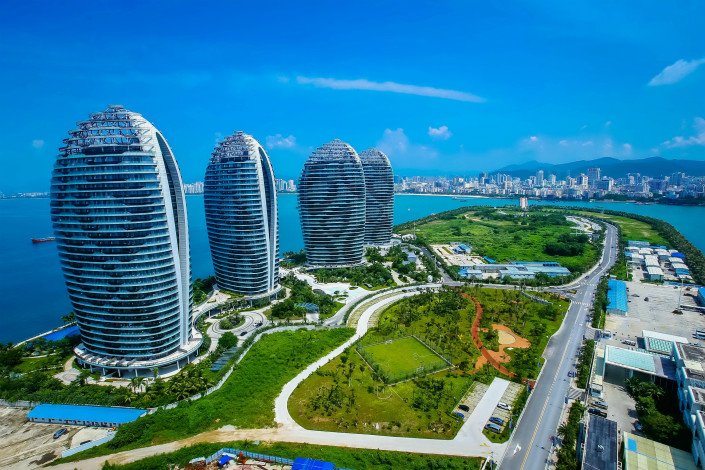
Hainan deserves separate treatment. Its return to growth shows that China is not uniformly weak. Domestic travel and genuine consumer demand are supporting the island, even as Mainland airport retail remains difficult. Brands should therefore distinguish offshore Chinese consumption from the broader domestic travel-retail system.
Chinese brands add another layer. Mao Geping and Florasis are improving service, online-to-offline execution and product storytelling, while other domestic companies are expanding into Southeast Asia using the digital playbooks developed at home. International brands will increasingly encounter Chinese competitors outside China, not only within it.
That expansion could compress the distinction between local and foreign beauty across Asia. A Chinese brand may enter Thailand or Singapore with stronger regional social-commerce capability and prices below Western luxury. Korean and Japanese brands already operate with regional familiarity. Western groups cannot assume that airport placement alone confers authority.
The investment implication is that Asia exposure should be evaluated by country and customer mix rather than regional revenue. A company growing through India and Southeast Asia may possess a more attractive risk profile than one dependent on Mainland China, even when headline Asia sales are similar.
Over the next 6 to 12 months, watch first-half travel-retail data, Hainan growth and multinational commentary on India and Vietnam. Also watch assortment changes, especially shade expansion and regional fragrance launches. These operational decisions will reveal whether companies truly believe the customer base is changing.
The strongest forward-looking indicator will be capital allocation. Brands that continue directing most Asia investment toward a hoped-for Mainland China rebound may miss the recovery already underway elsewhere. The region has not stopped growing. Its center of gravity is becoming harder to summarize with one country.
Sources
[1] Vogue Business, July 24, 2026, “Is Asia Pacific Beauty Finally Turning a Corner?”
[2] McKinsey & Company, June 18, 2026, “The State of Beauty 2026.”